How Accurate Are Lie Detector Tests?
Lie detector tests are accurate when a trained examiner runs them properly with modern equipment. However, the examiner is only half of it. The examinee also plays a big part, and listening carefully to every instruction helps the test run the way it should.
No test is perfect, though, so it’s worth knowing what makes a result more or less reliable before you book a lie detector test in the UK.
On this page, we explain how accurate lie detector tests are and how EyeDetect works. We also cover the things that can affect your result, so you know what to expect.
Are Lie Detectors Accurate?
Yes, lie detectors are accurate if the person running them knows what they’re doing. We use EyeDetect at British Lie Detector Test, and its accuracy sits at 88–91%.
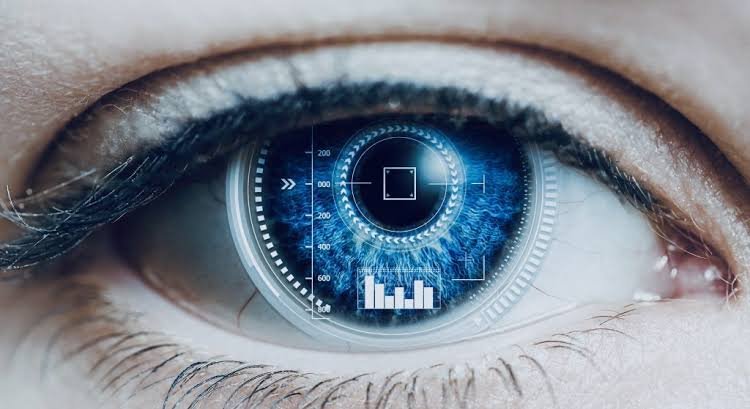
EyeDetect doesn’t touch the body at all. It watches how the eyes react while the examinee answers questions on a screen. Those reactions happen on their own, so you can’t control them.
Once the test is over, we turn those readings into a written report that stays completely confidential.
How Reliable Are Lie Detector Tests?
A lie detector test is only as reliable as the process behind it. That’s why we follow the same careful steps with every single client.
Most of the work happens before the test starts. Clear, simple questions give far better results than vague ones. A calm examinee who knows what’s coming also gives cleaner readings than someone who feels rushed.
We keep each test to one issue. When a test tries to cover several things at once, the answers get muddy, so we avoid doing that.
How Does a Lie Detector Test Work?
If you’ve ever wondered how lie detectors work, the answer comes down to involuntary reactions. When someone lies, their eyes react in tiny ways they can’t control, even if they stay calm on the outside.
Unlike a traditional lie detector machine, EyeDetect doesn’t use any wires or sensors on the body. The examinee sits at a screen and answers a set of true-or-false questions. While they do, EyeDetect scans their eyes 60 times per second and records changes in pupil size and eye movement.
The software then analyses those patterns for signs of deception. The whole test takes about 30 minutes, and you’ll usually have your confidential report within 1 hour.
Here’s how every test runs from start to finish:
- You tell us what’s happened and why you want the test.
- We gather the background details we need.
- We plan the test and prepare the questions before the appointment.
- On the day, we go through the questions with the examinee.
- The examinee takes the EyeDetect test.
- We analyse the results.
- We send you a confidential report.
What Affects Lie Detector Test Accuracy?
Several things can affect lie detector accuracy, and the examiner is the biggest one. A good examiner writes fair questions, explains everything properly and keeps the session professional.
The questions matter just as much. Short, specific questions leave no room for confusion. The room matters too, since a quiet, private space helps the examinee stay focused.
How the examinee feels on the day plays a part as well. Tiredness, illness, alcohol and some medications can all change how a person responds.
Focus matters too. Looking away from the screen, even for a split second, can affect the results and may decide whether you pass or fail. That’s why we go through all the rules with you before the test begins. Finally, computerised scoring takes the guesswork out of reading the results.
How True Are Lie Detector Tests?
If you’re wondering how accurate lie detector tests are in real life, the answer is ‘very’, when they’re done properly. With EyeDetect at around 88–91% accuracy, the large majority of tests come back with a clear, correct result.
EyeDetect also scores results by computer, not by an examiner’s gut feeling. That means two people with the same responses get scored the same way.
We’re always upfront about lie detector test results. If something might have affected a test, we’ll tell you plainly in the report.
Are Lie Detector Tests 100% Accurate?
No. No lie detector test is 100% accurate, and anyone who tells you otherwise is overselling it.
What a well-run EyeDetect test does give you is a highly accurate answer you can act on. That’s why people come to us to settle disputes, rebuild trust or finally get some clarity on a situation that’s been weighing on them.
Are Eye Lie Detector Tests Accurate?
Yes. Eye lie detector tests are accurate, and EyeDetect reaches around 88–91% by reading eye reactions the examinee can’t consciously control.
Unlike the older Polygraph test, EyeDetect uses no sensors, straps or wires. The examinee just sits in front of a screen, which most people find much easier and far less stressful than they expected.
You also don’t have to wait days for an answer. The test takes around 30 minutes, and your confidential report usually arrives within 1 hour.
How Can You Beat a Lie Detector Test?
It’s one of the most common questions we get. The short answer is that trying to cheat usually backfires, and our examiners know the signs.
EyeDetect reads things like pupil changes, which nobody can control on purpose. Tricks people read about online, like steady breathing or forcing yourself to relax, make very little difference. Those tricks target signals such as breathing and heart rate, which older lie detector machines measure, e.g., the polygraph test. EyeDetect doesn’t rely on them.
Attempts to interfere with the test tend to show up as odd patterns in the data. Honestly answering each question is the only approach that works.
How Accurate Are Lie Detector Tests for Infidelity?
Lie detector tests for infidelity are just as accurate as any other test we run. Whether you want a lie detector test for cheating or suspected infidelity, relationship tests often work especially well because they centre on one direct question.
Take a question like, “Since you’ve been together, have you had sexual contact with anyone else?” It’s specific, and it leaves no grey area. That kind of question gives a much more reliable result than something broad or emotional.
Plenty of couples come to us because they want to move forward and put doubts to rest. We treat every relationship test with discretion, sensitivity and respect.

Book a Confidential Lie Detector Test in the UK
Still unsure how accurate lie detector tests are for your situation? Our friendly team is happy to talk it through with you, with no pressure and in complete confidence.
To book your test, fill in our online form or call us on 0800 054 8817. We’ll explain the process, answer your questions and find a time that suits you.
FAQs
Can a Lie Detector Test Be Wrong?
Yes, occasionally. No test is 100% accurate, and illness, tiredness or badly worded questions can still affect even the best lie detectors. We keep that risk low by preparing clear questions and running every test in a calm, private room.
Can an Honest Person Fail a Lie Detector Test?
It can happen, but it’s rare. Being nervous won’t usually cause a fail, because EyeDetect looks at specific eye responses, not general anxiety. We also walk every examinee through the process first, so nobody goes in unprepared.
Do Lie Detector Tests Really Work?
They do, as long as a qualified examiner uses reliable technology and a proper process. EyeDetect is around 88–91% accurate, and we’ll usually have your confidential report ready within 1 hour.
Are Lie Detector Tests Admissible in Court in the UK?
Generally, no. UK courts don’t usually accept lie detector results as evidence. Even so, many people book a private lie detector test to sort out personal, family or workplace disputes and get the answers they need.